

A few days before flying off to Santiago, we were randomly scrolling through all the documents/shots/logistics we had to have prepared ahead of our flight out to Chile and one random comment struck out to me – “bring strong bug spray for Easter Island”. Having been 20yrs removed from middle-school geography, I forgot that Rapa Nui (the local name for Easter Island) is a Chilean territory. After all of 20 minutes of deliberation on whether or not we should add it to the itinerary for Chile, we ended up deciding the same as the title of this post – “why not?”
Flights are quite cheap if you’re flying domestic from Santiago, and Airbnbs on the island are plentiful, so we pulled the trigger on coming here before our big hike in Patagonia – think of this like a tropical rest before we get our assess kicked by a 50mi hike… Maybe we did this backwards? In any case, we hopped over to Rapa Nui and started our tropical tour of what we found out is the 3rd and final vertex of the polynesian triangle.
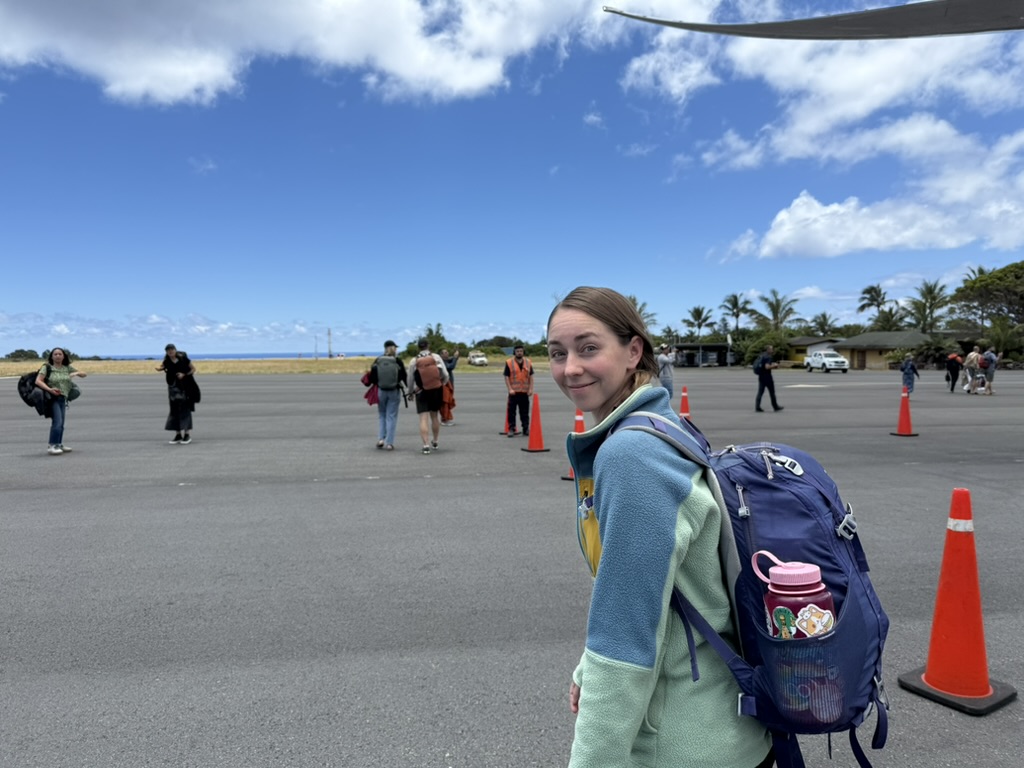
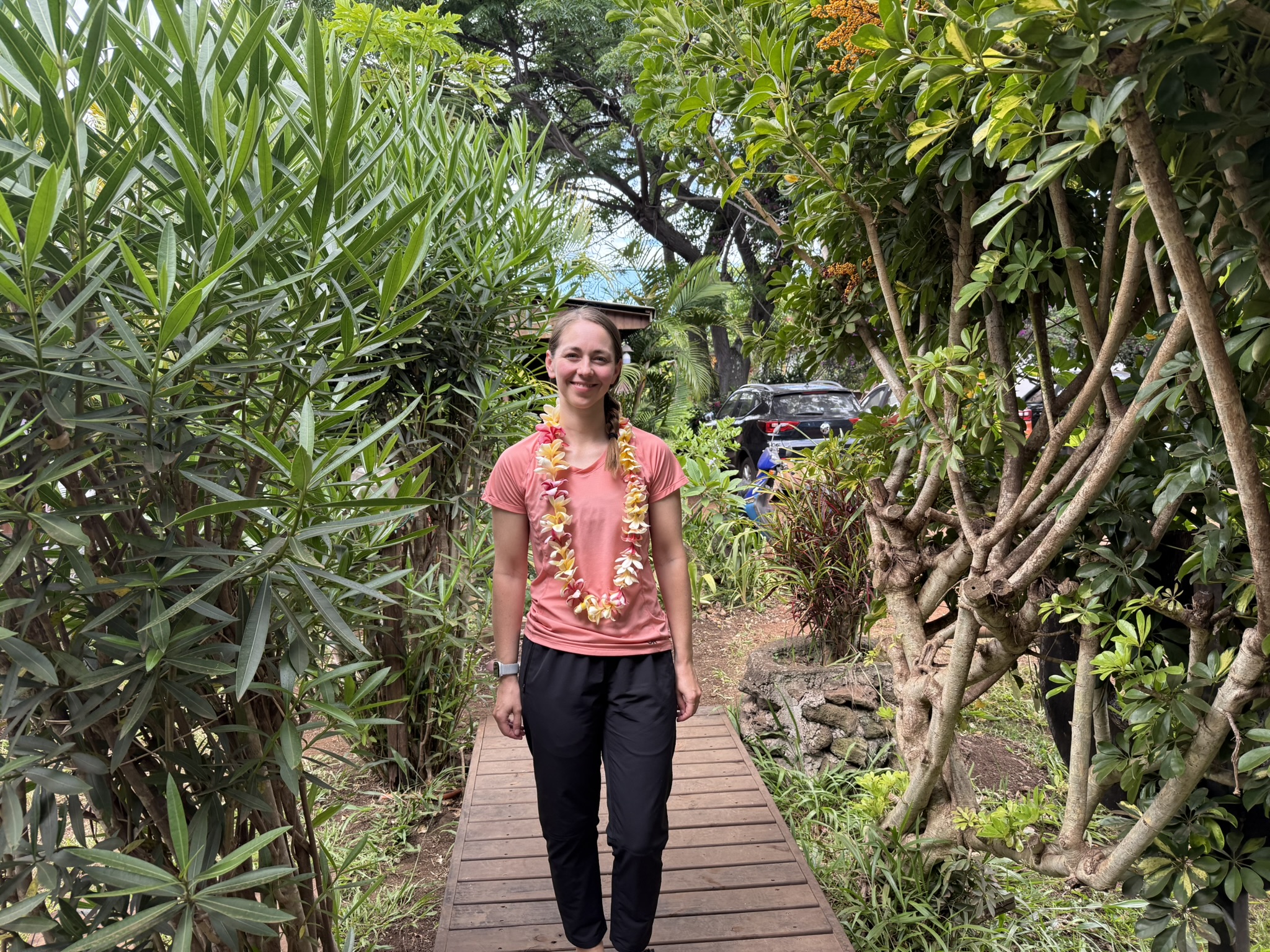
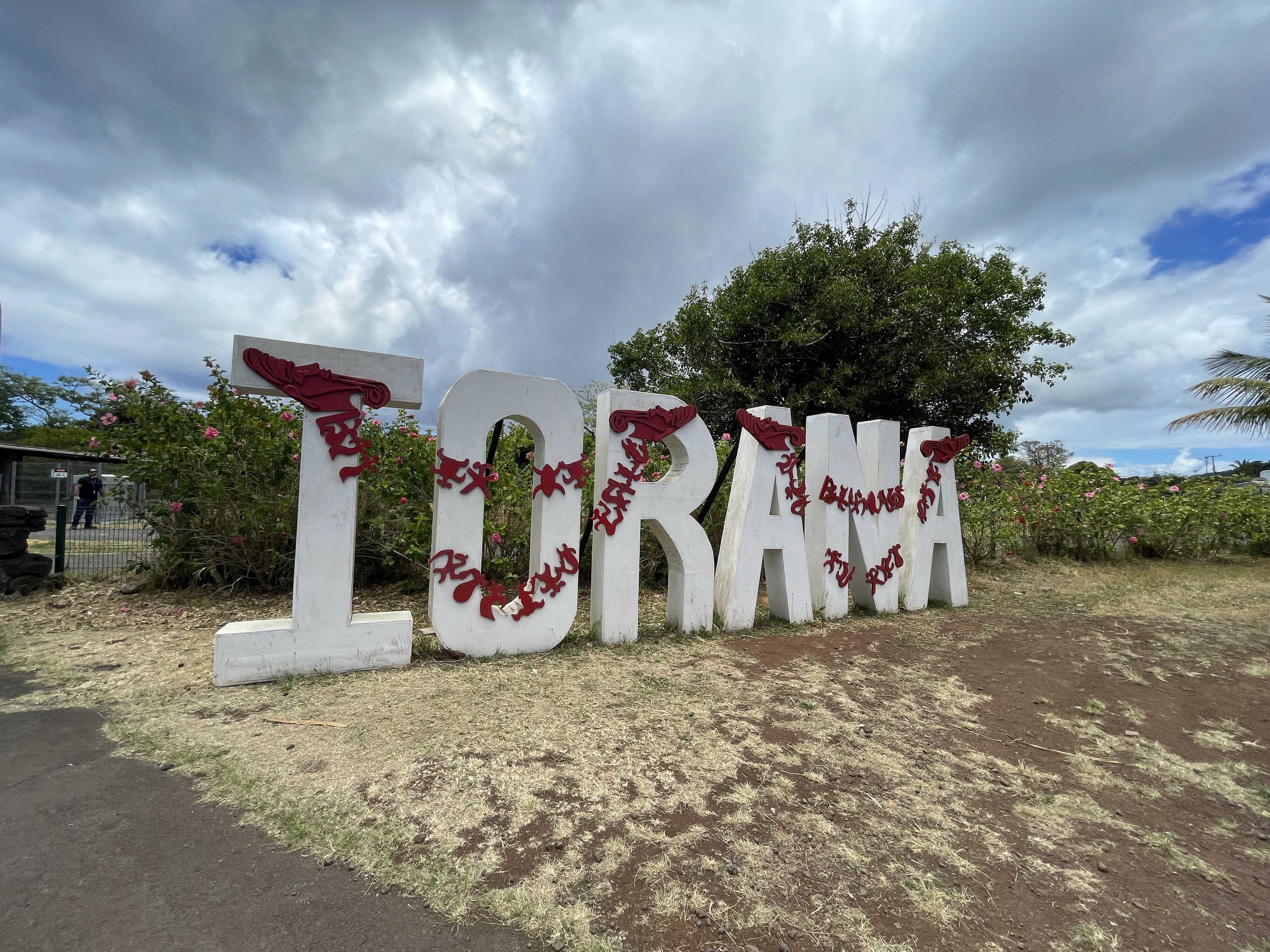
The island itself shares a lot in common with the other vertices that we visited (Hawaii and New Zealand), minus one minor detail – the major tongue is obviously Spanish, not English… It’s quite interesting to see how much like Hawaii this island was though – especially the less urbanized Kauai that we visited just two years ago. Nevertheless, the really interesting part of the trip was the 2nd day when we took an organized tour to the major historical/tourist sites around the island.
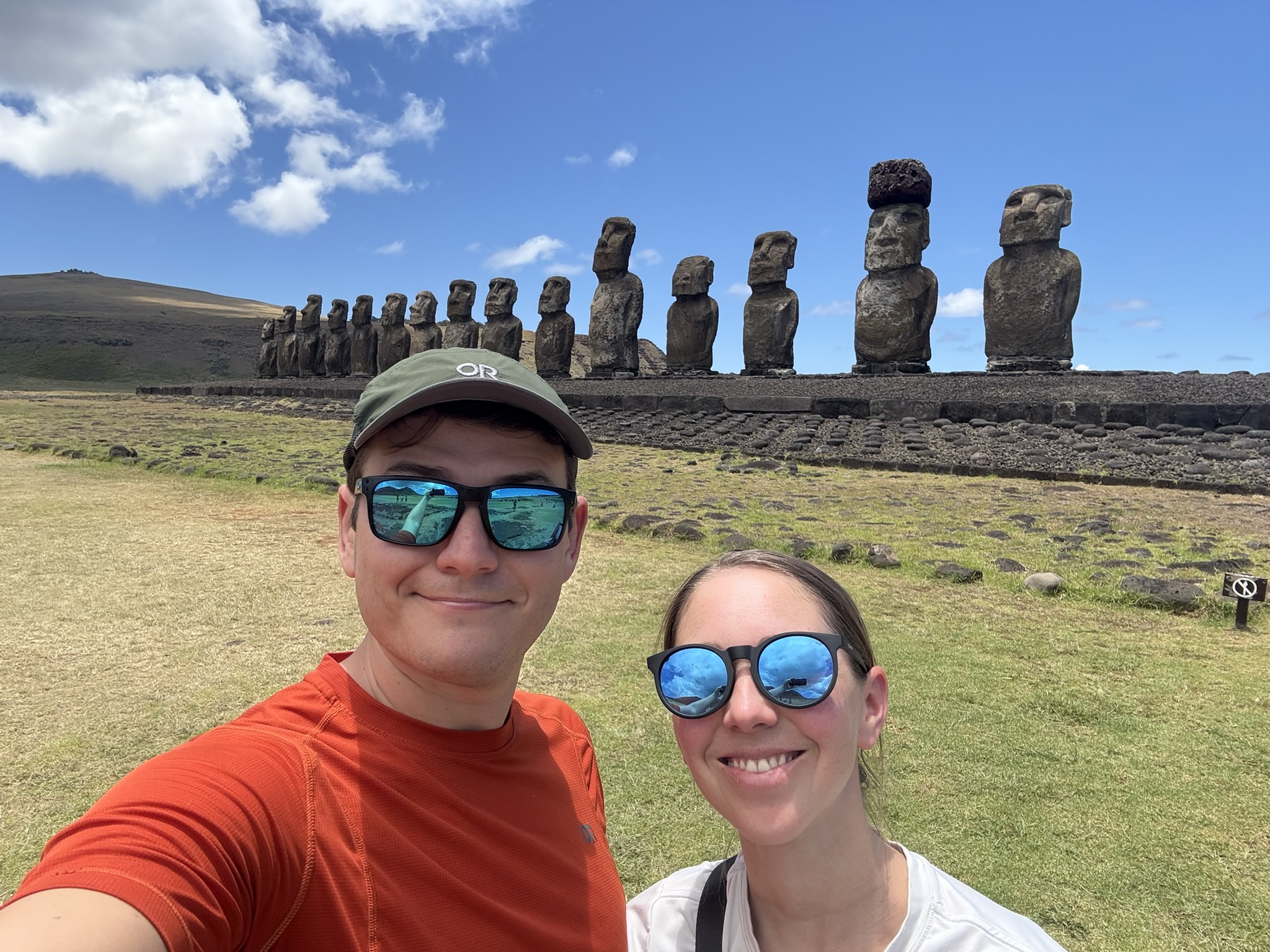
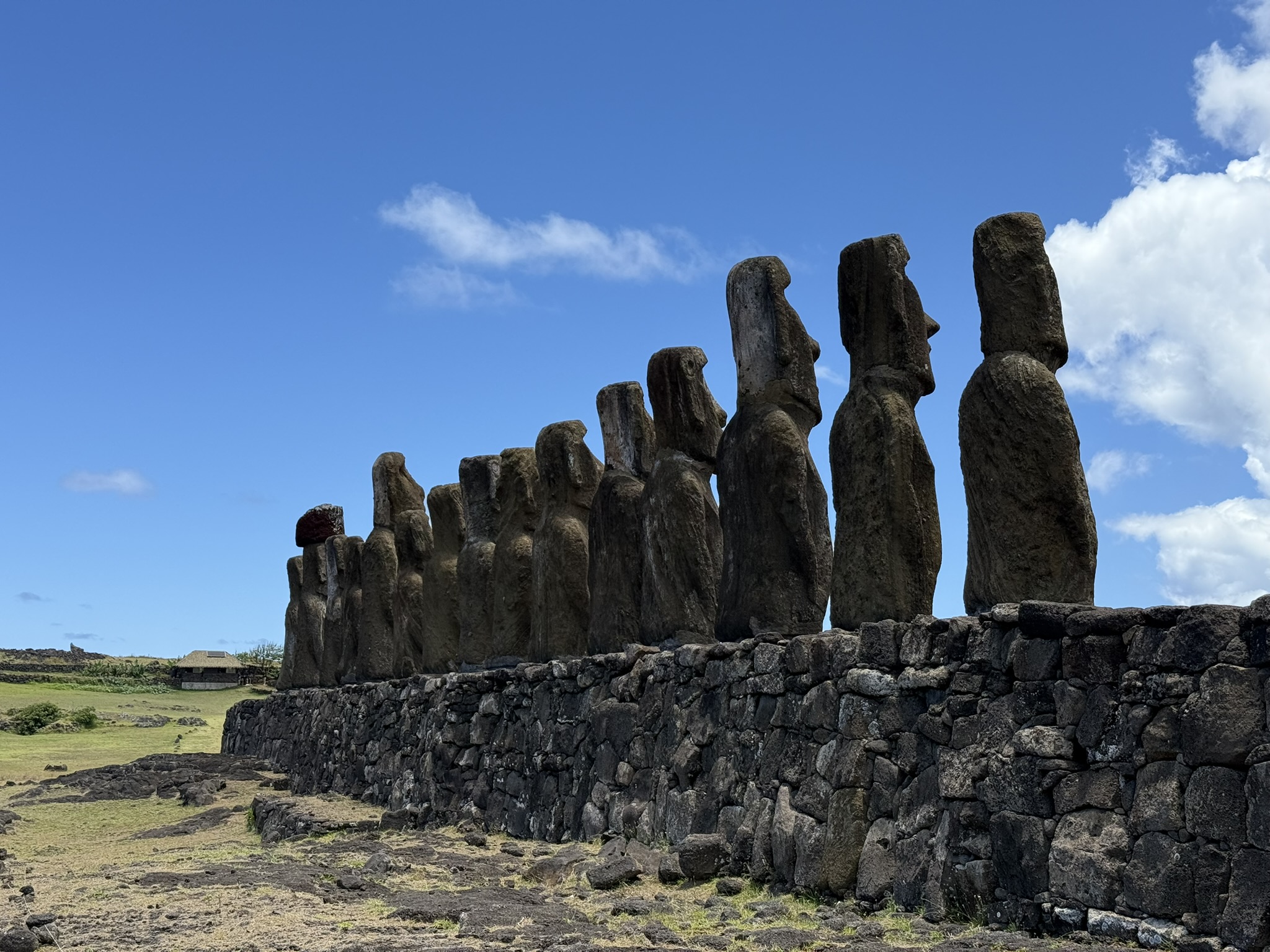
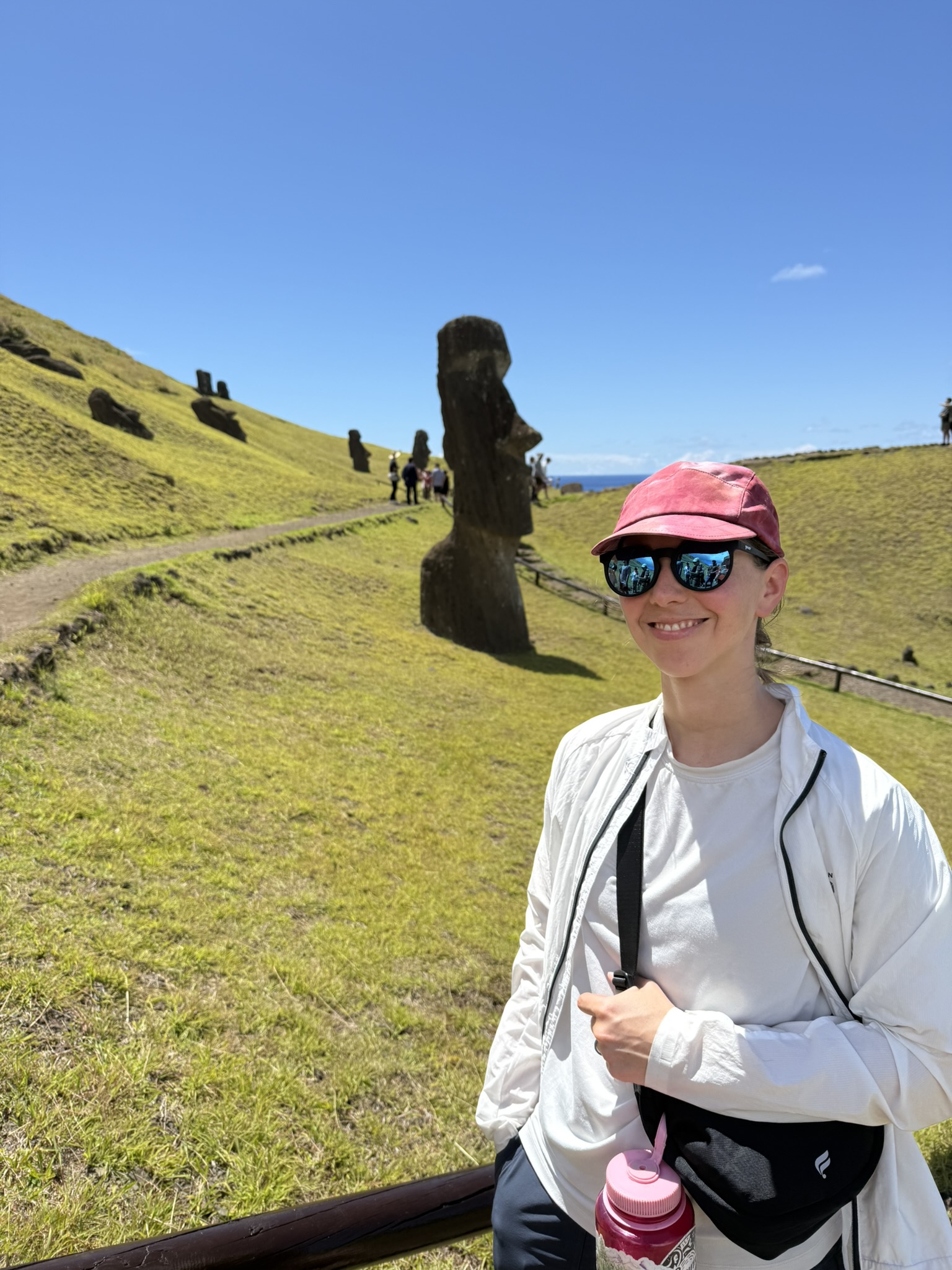
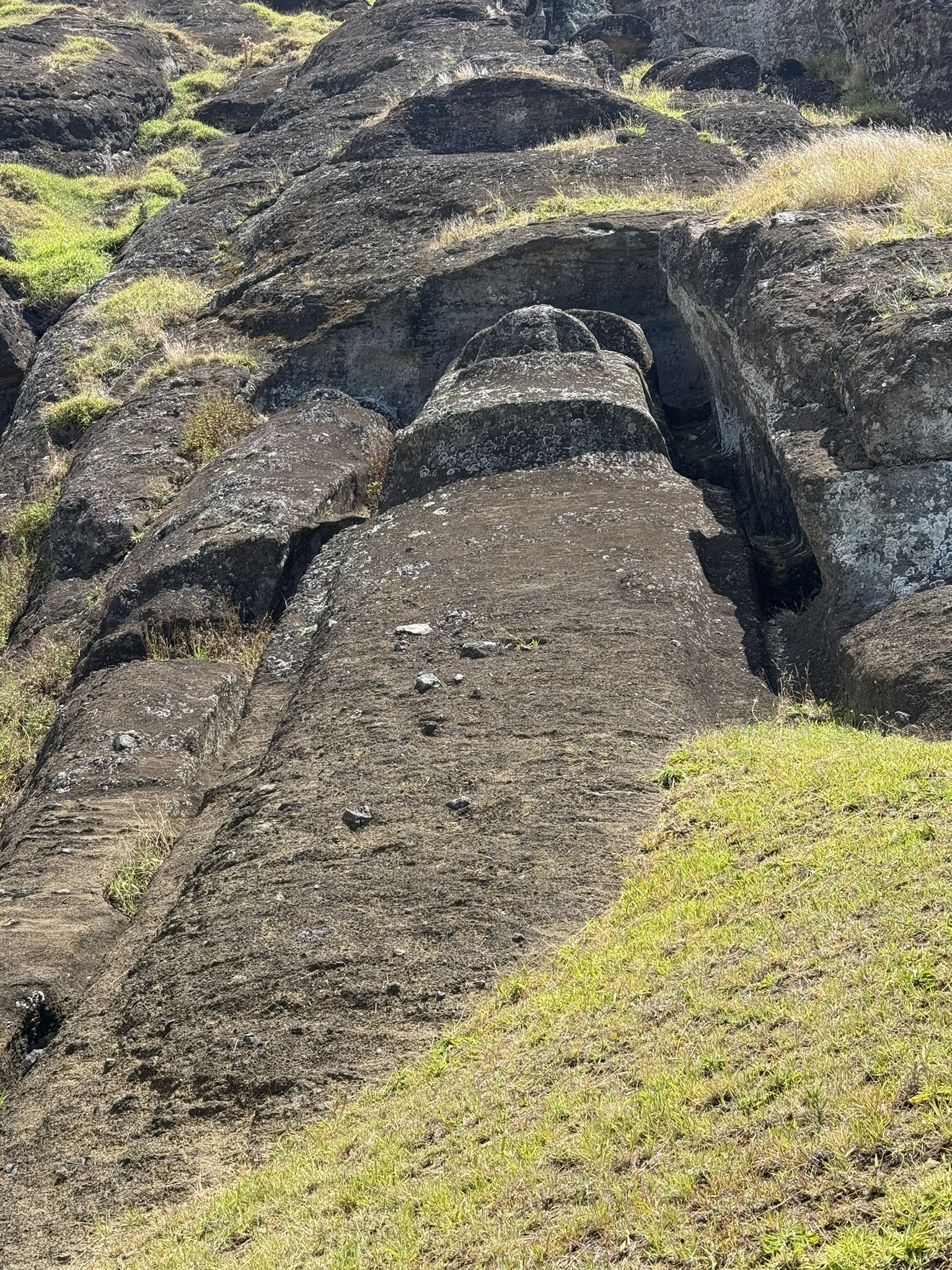
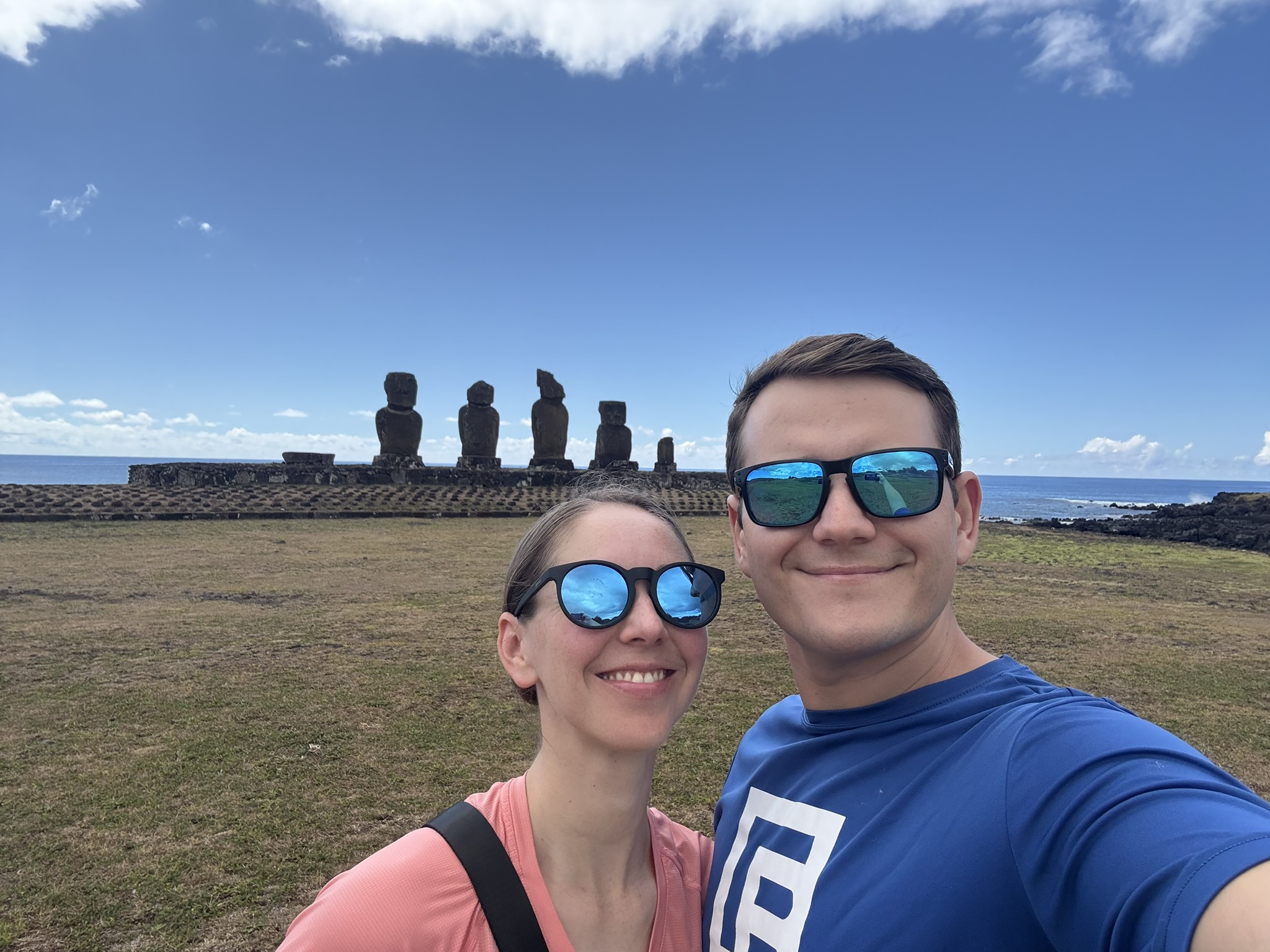
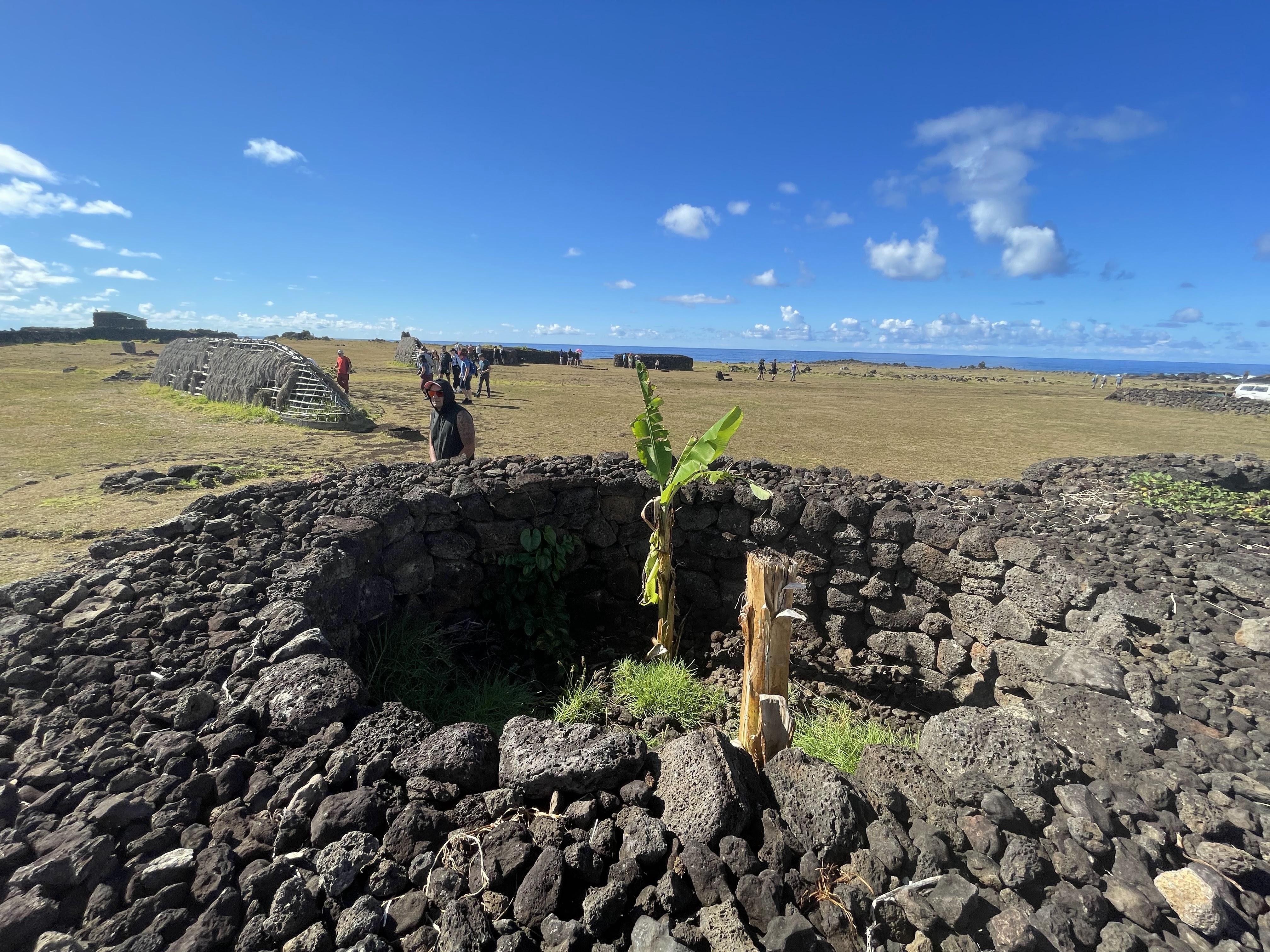
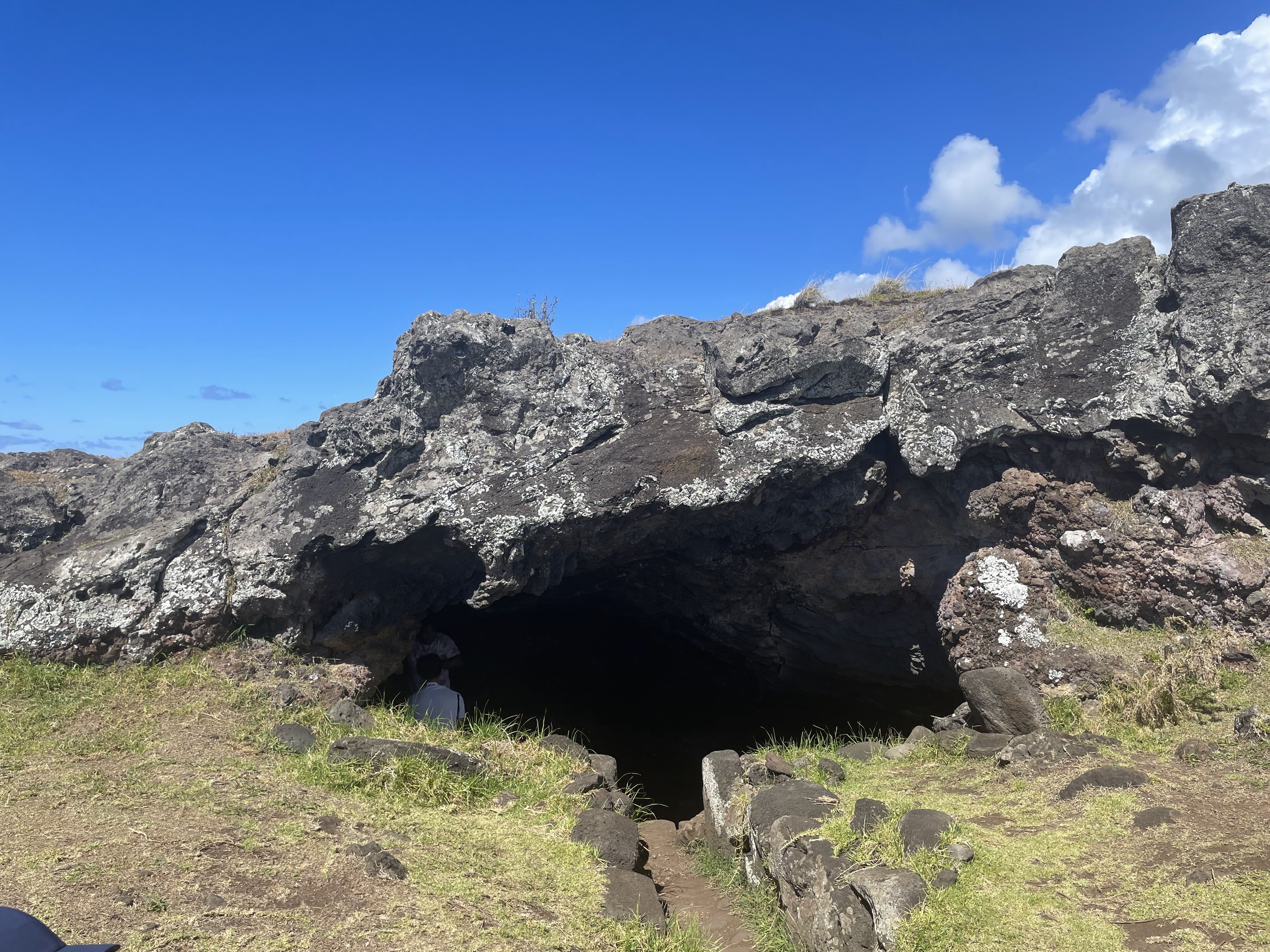
A one or two paragraph summary of the history of Rapa Nui and the struggles, successes, and overall accomplishments of the indigenous people won’t do this place justice – you really have to come see it for yourself to see the scale of what was accomplished here. Probably the most famous part of Rapa Nui is the Moai – 20 to 30ft+ stone statues of the most accomplished ancestors that dot the island. It was fascinating seeing not just the individual Ahu (hills upon which the Moai sit) which tell multiple stories about the tribes that lived in each location we saw during the tour, but also the actual quarry that 95%+ of the Moai were carved from.
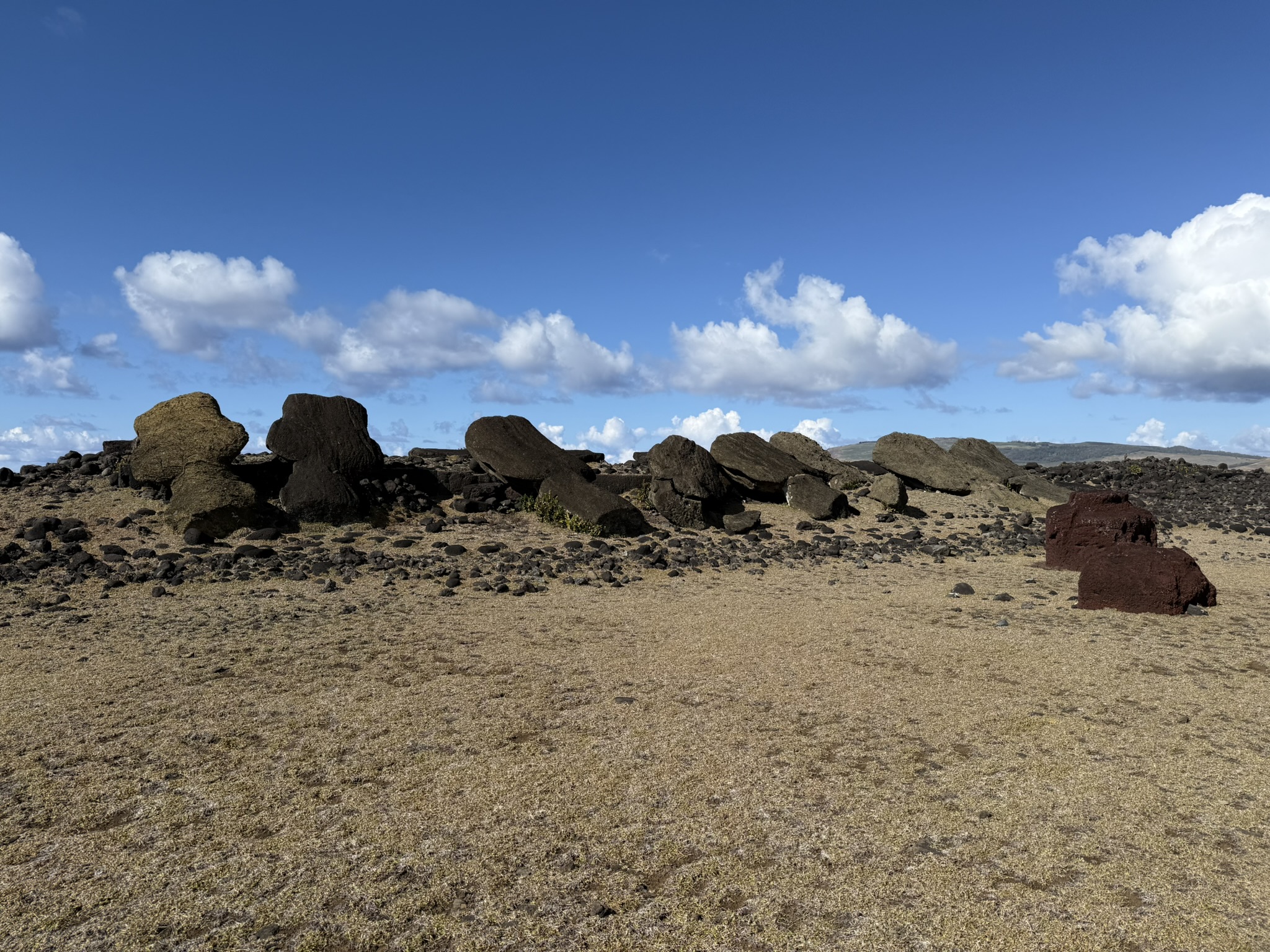
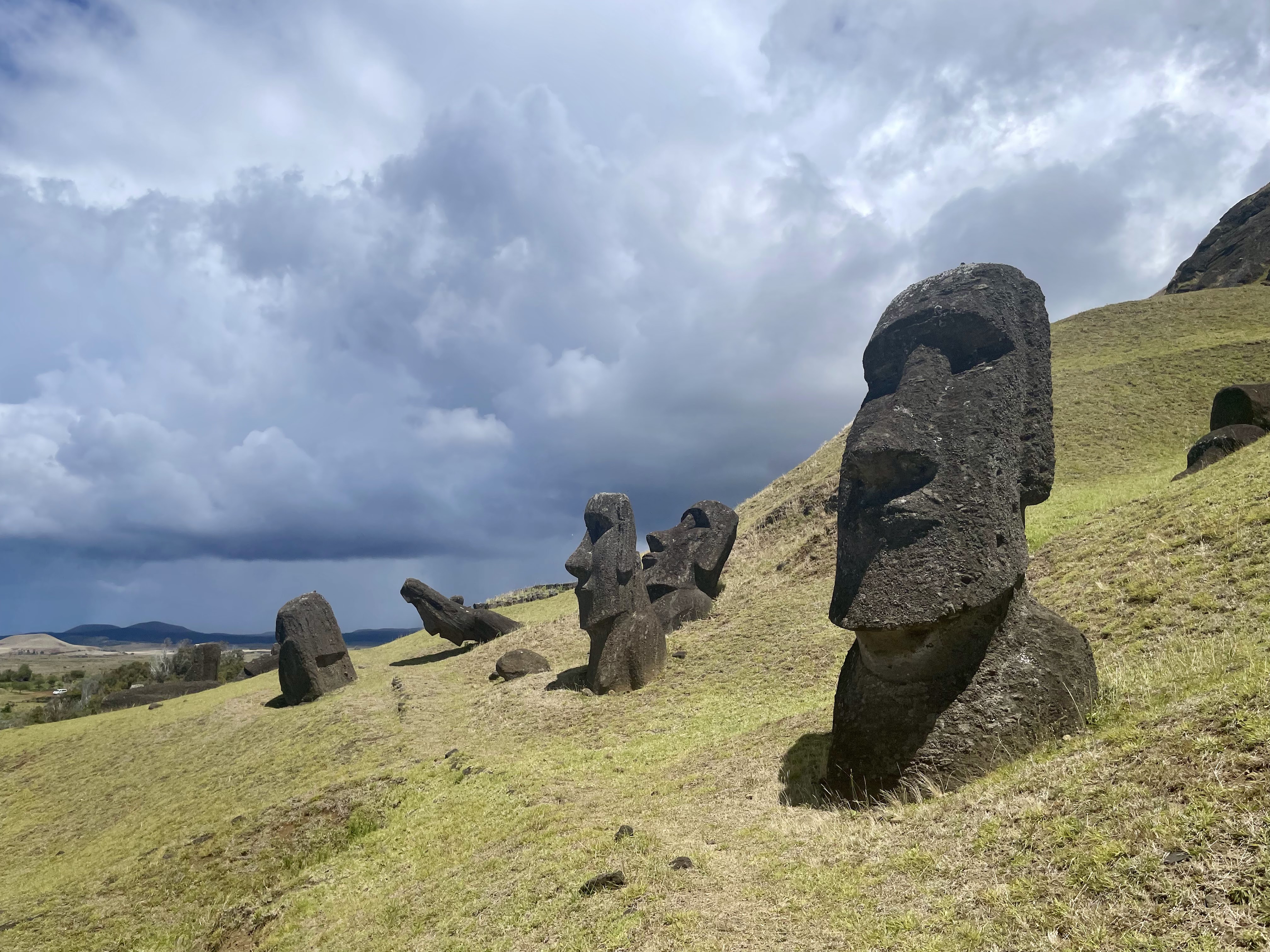
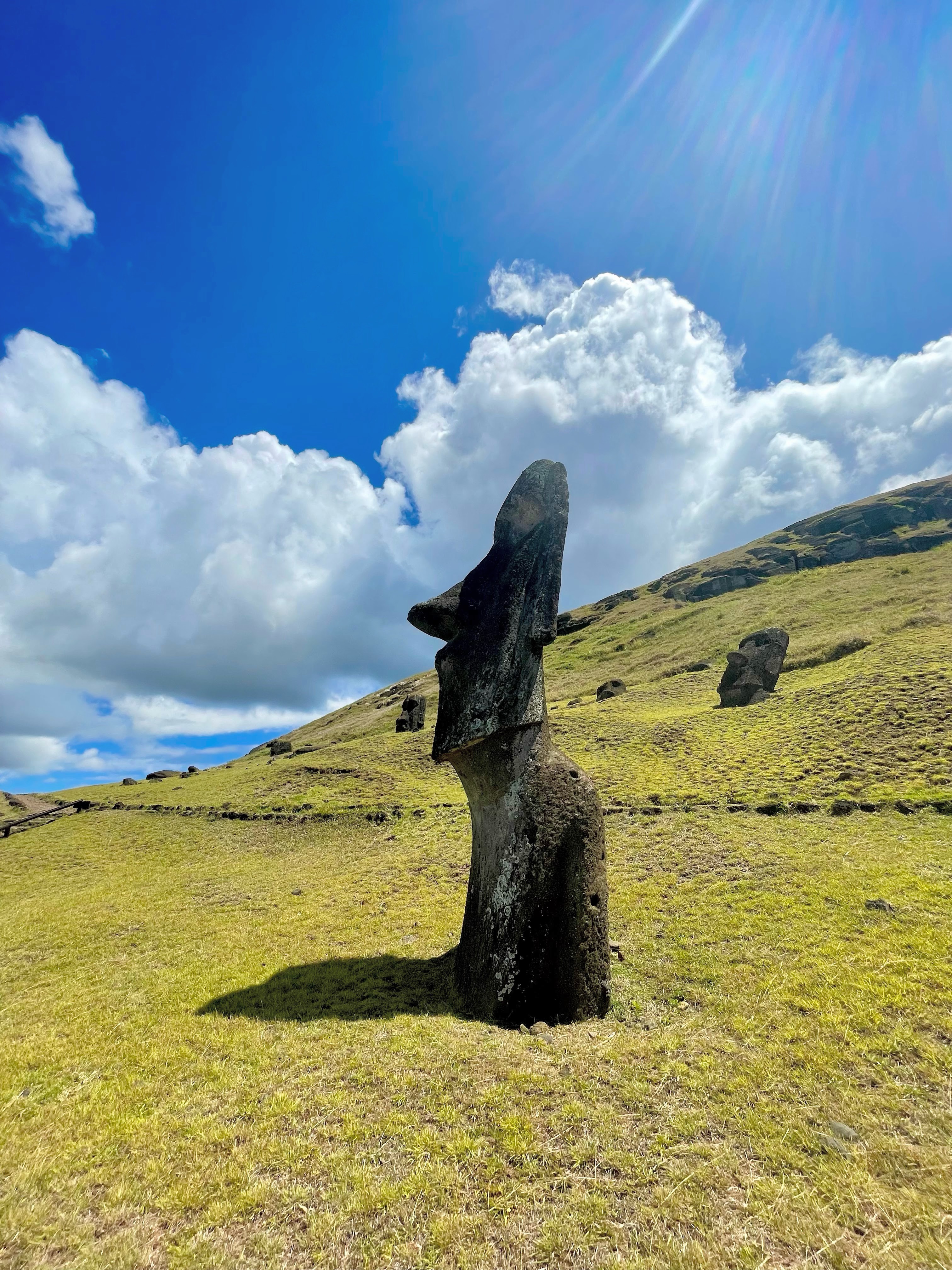
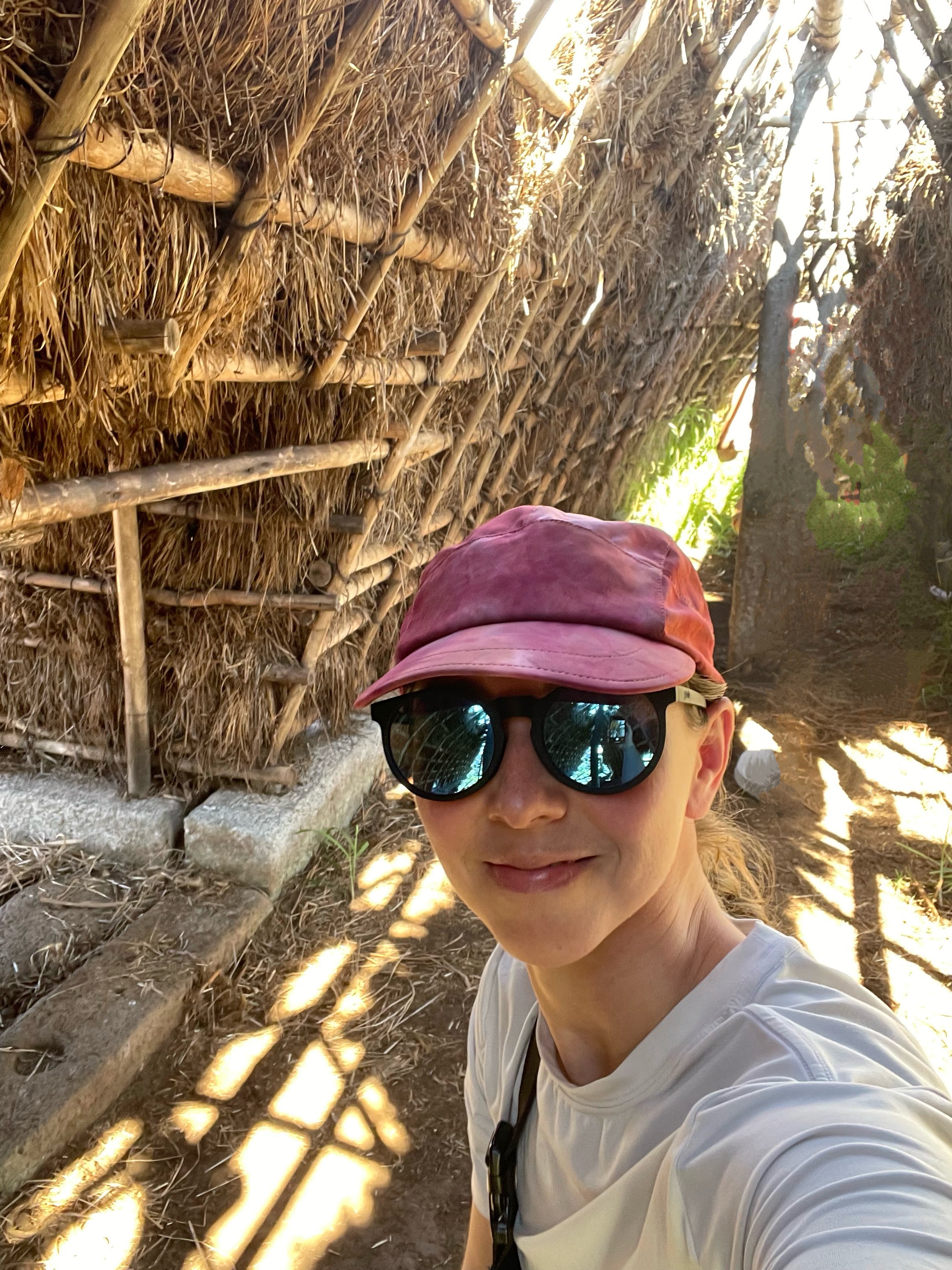
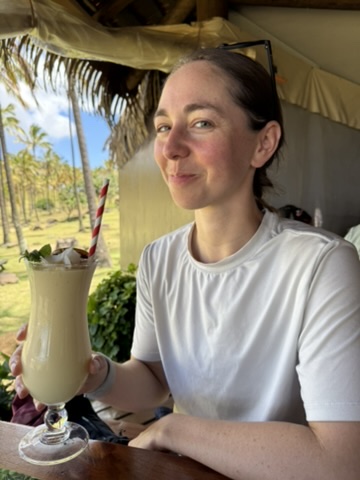
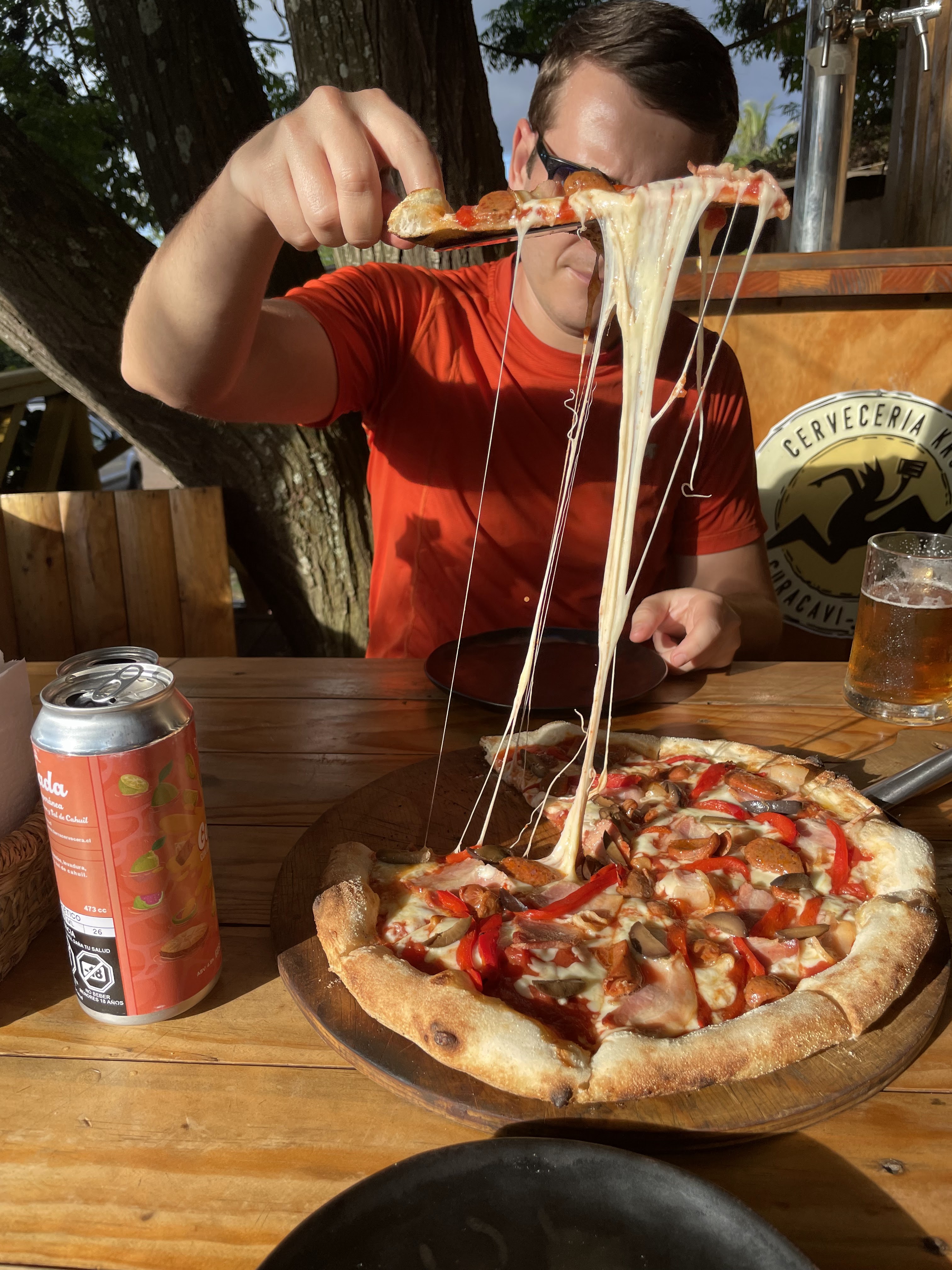
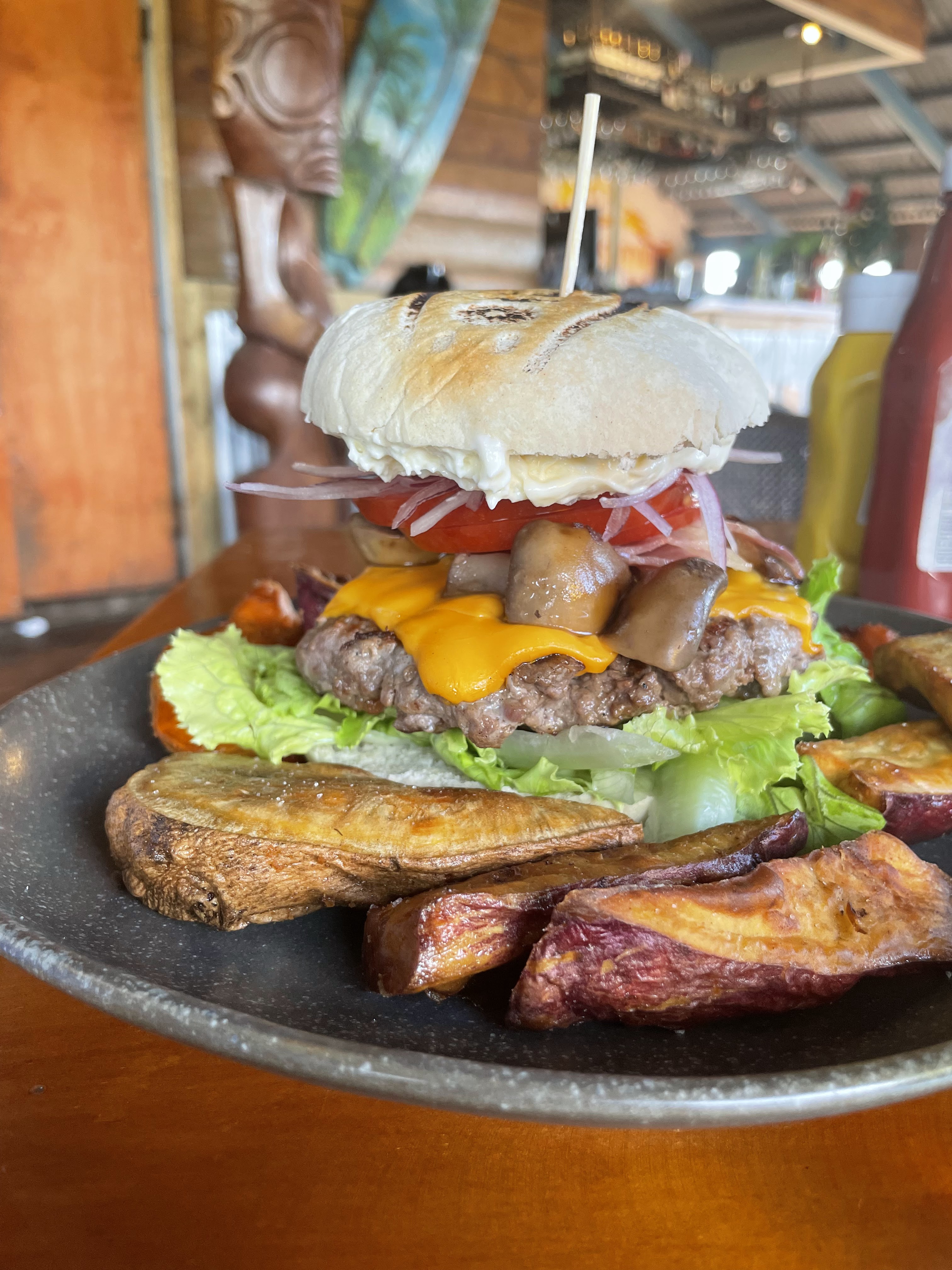
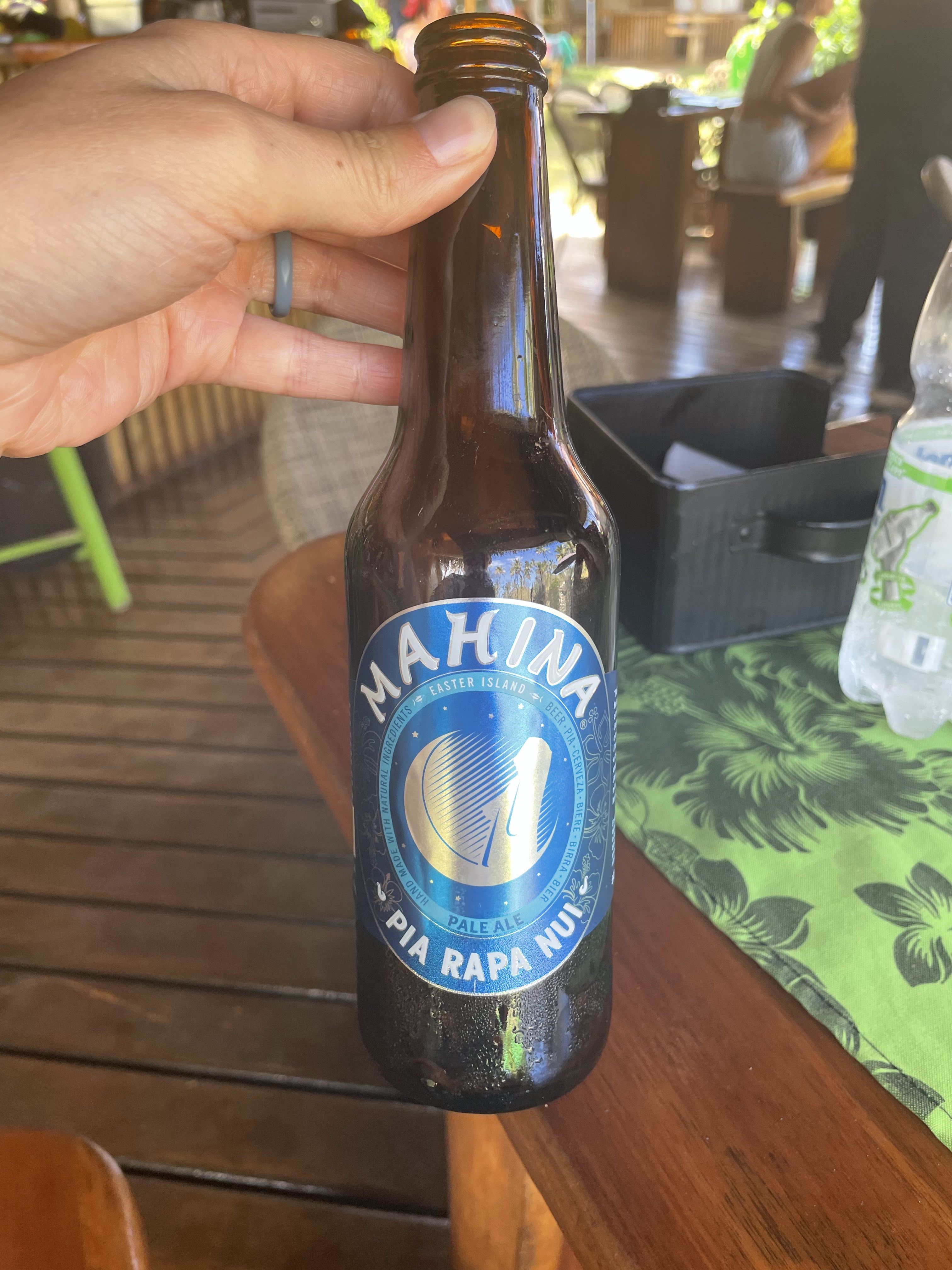
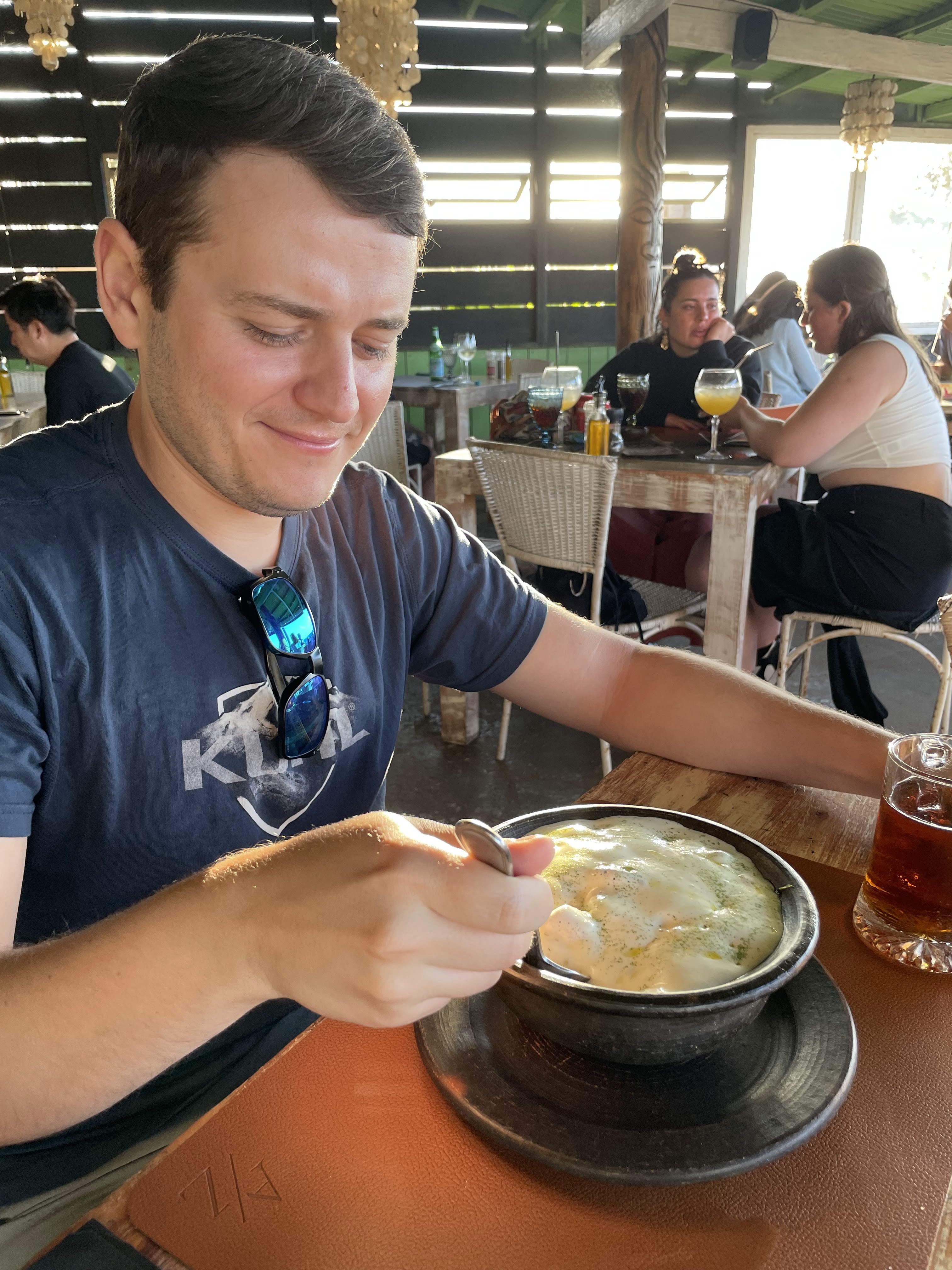
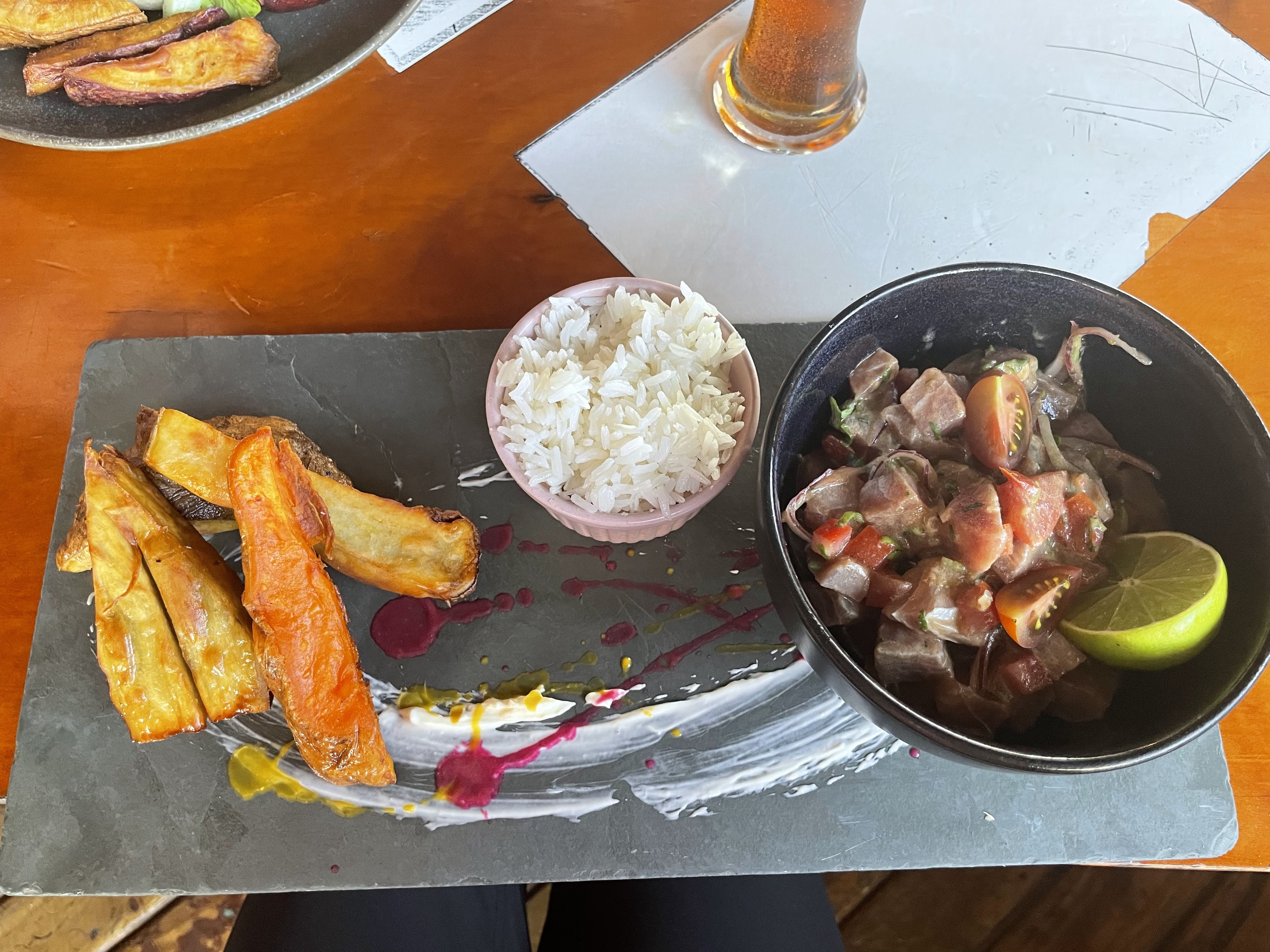
A big part of all our travel is eating – not just because I think you have to do it to survive, but also because it’s generally advisable to sample all the different local dishes. The food on Rapa Nui was actually quite a bit better than what we’ve had in Santiago so far (not for a lack of availability, probably more for a lack of trying…) Seafood is obviously fantastic from what Rachel tells me, but generally any bread-related/containing dish was amazing. While we don’t have pictures of the empanadas because we inhaled them so quickly, the ones at Panaderia Hitu were by far the highlight of the trip – it’s no exaggeration to say that once we had these, Rapa Nui’s food scene became one of the most memorable parts of this trip!
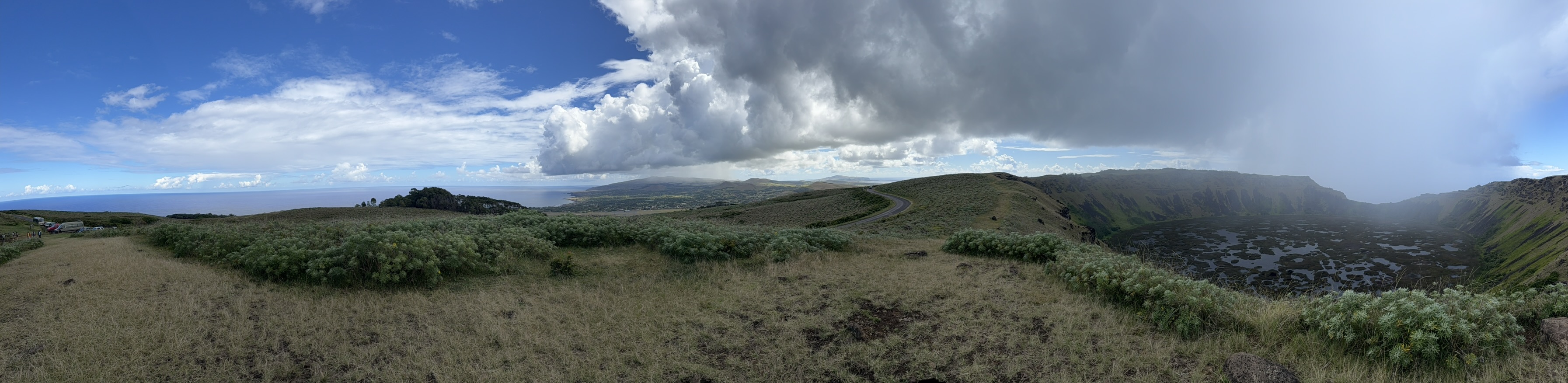
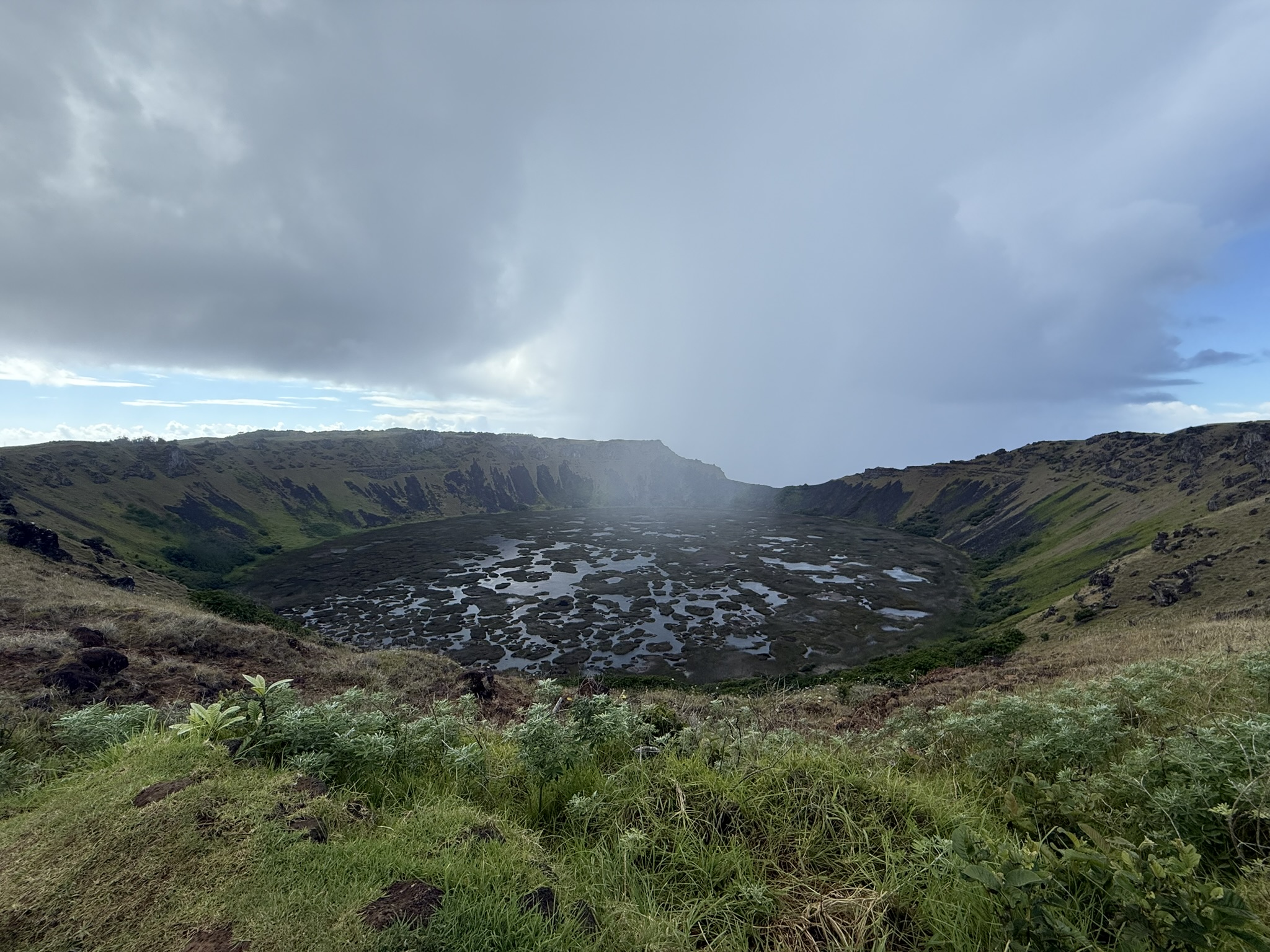
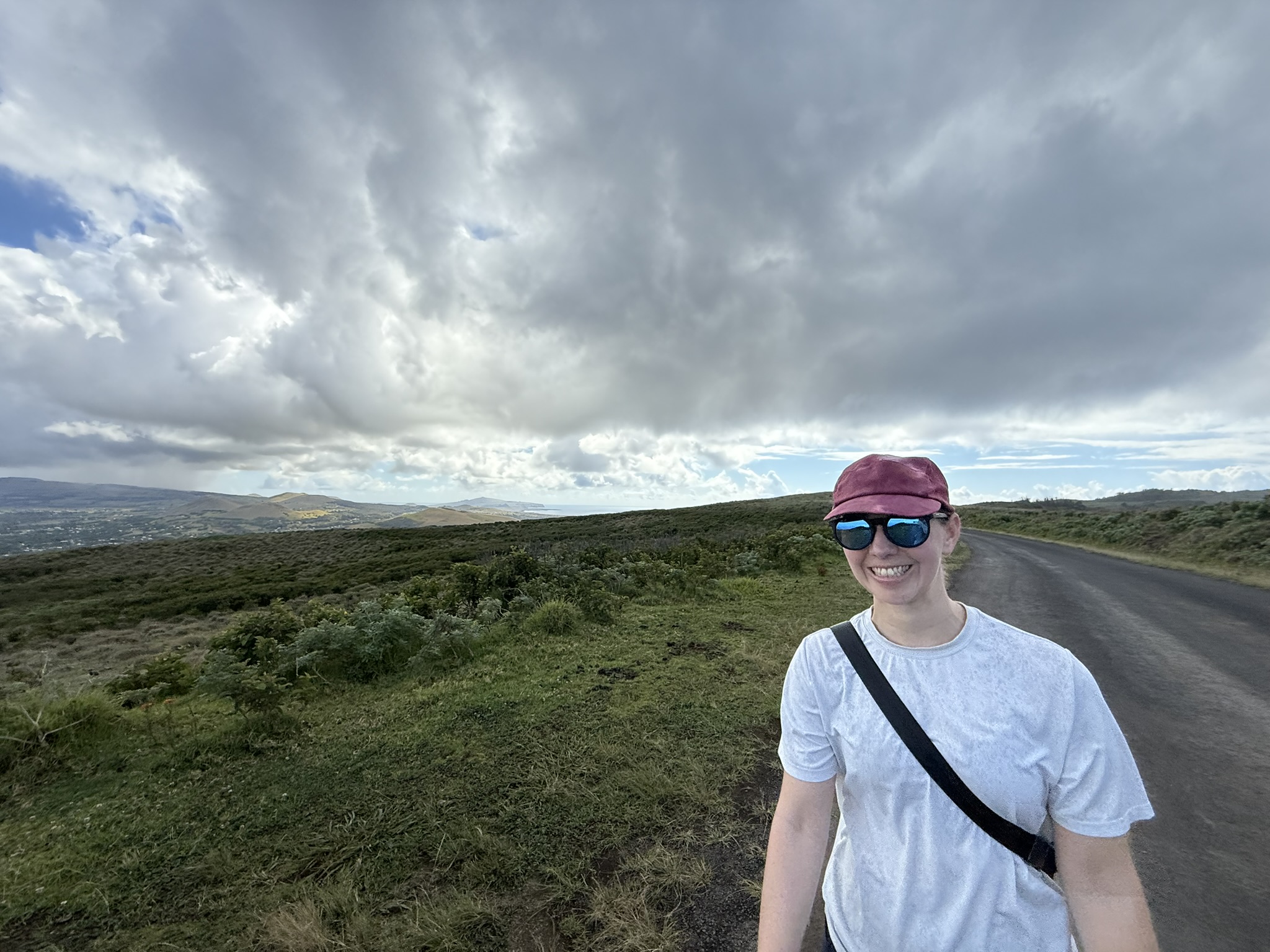
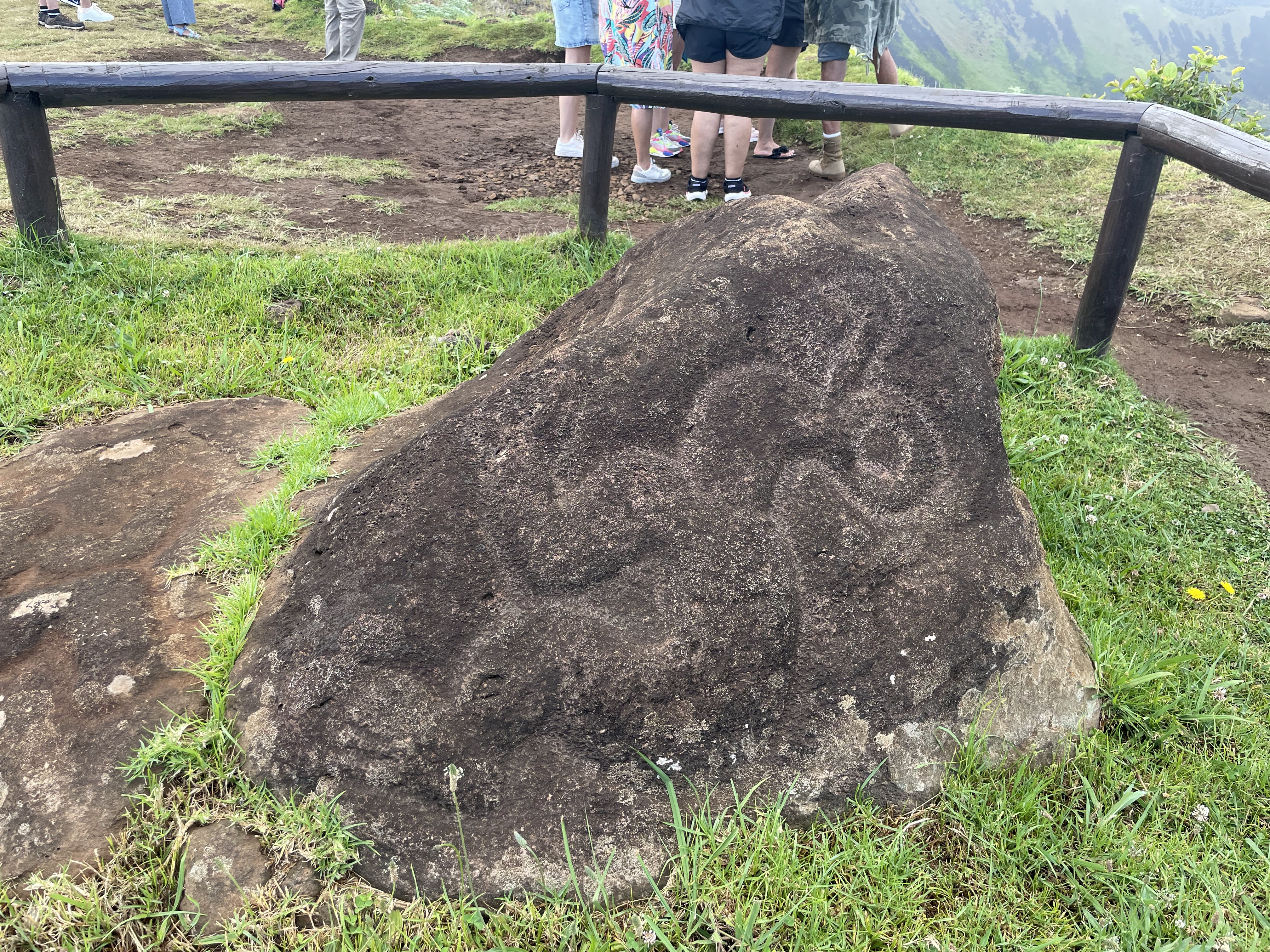
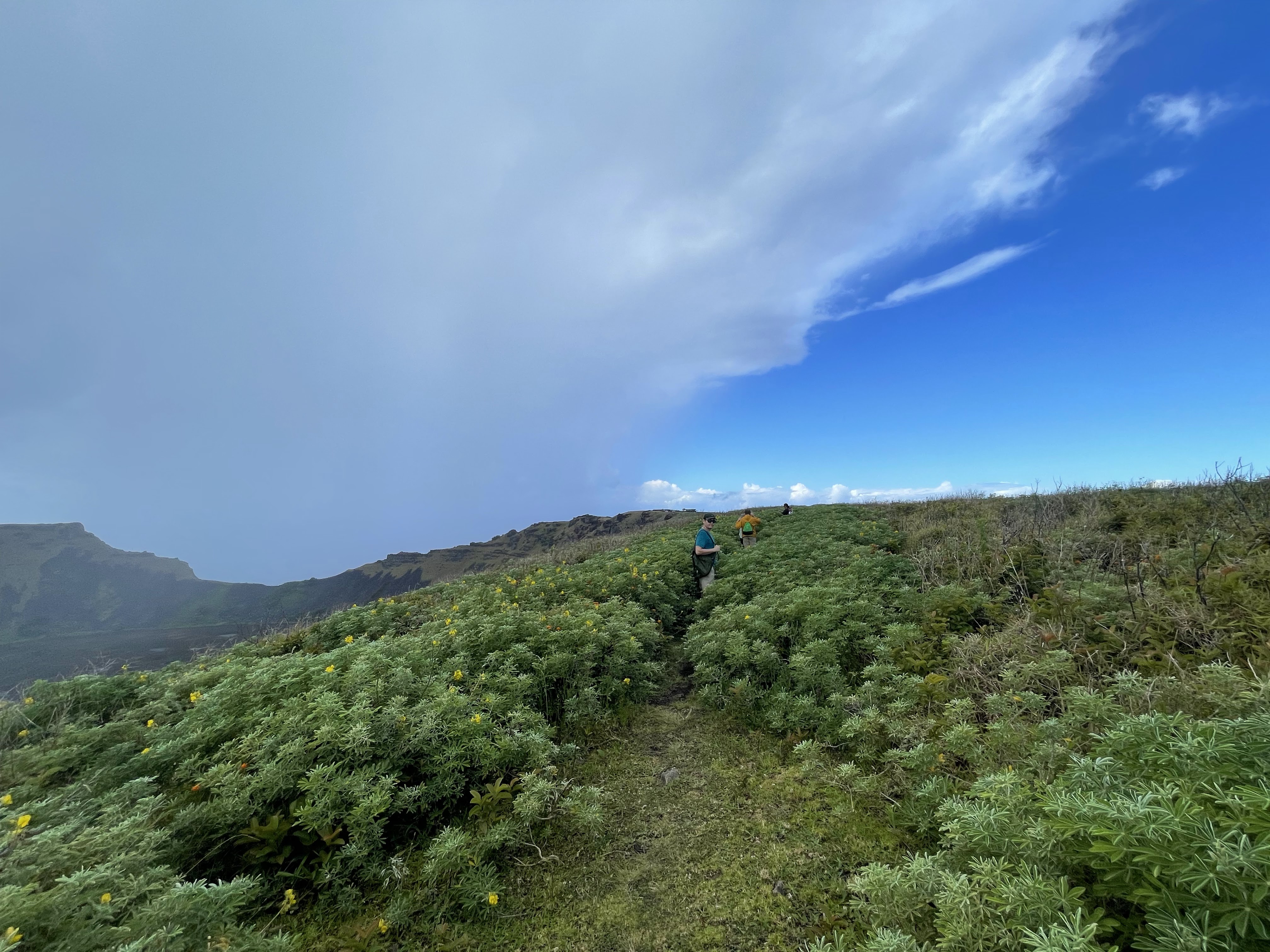
While this was a short trip, we didn’t overload our itinerary too much and ended on a very nice ~8mi hike up to a caldera on the southern part of the island. The recent visit to Crater Lake in Oregon definitely undercut the impressiveness of this view a bit, but the sight of the remains of any volcanic eruption of this size is still a wonder to see. There are also petroglyphs of the various deities that the indigenous people started revering after the Moai worship declined in the late 17th century (a fascinating short read on it’s own) and an archaeological site to see if you come a bit more prepared than us… you will need a guide for all the major attractions since they are considered part of the Rapa Nui national park, and since we weren’t on an organized tour we couldn’t see the Orongo site that day. Lesson learned!
Nevertheless, this was a once-in-a-lifetime trip that we were fortunate enough to be able to pull off with literally days of prep, and we’re incredibly glad we went! For now though, a big maururu (thanks) to Rapa Nui for a great visit.

 Rachel & Radu Retire (ish)
Leave a comment